What Is a Japanese Lunch Set (Teishoku)?
If you've spent any time in a Japanese restaurant, you've probably seen the word Teishoku on the menu, usually next to a photo of a neatly arranged tray with rice, soup, a main dish, and a few small sides. But what exactly is a Japanese lunch set, and why is it structured this way.

Teishoku, Explained
Teishoku (定食) literally means "fixed meal." It's a set menu built around one main dish (grilled fish, karaage, katsu, or sometimes sashimi or sushi) served alongside standard companions:
Steamed rice
Miso soup
A main protein dish
One or two small side dishes (pickles, simmered vegetables, or a small salad)
Rather than choosing everything separately, you order the set, and the kitchen sends it out together — simple to order, easy to eat, and a complete, balanced meal without overthinking it.
The Components of a Traditional Set
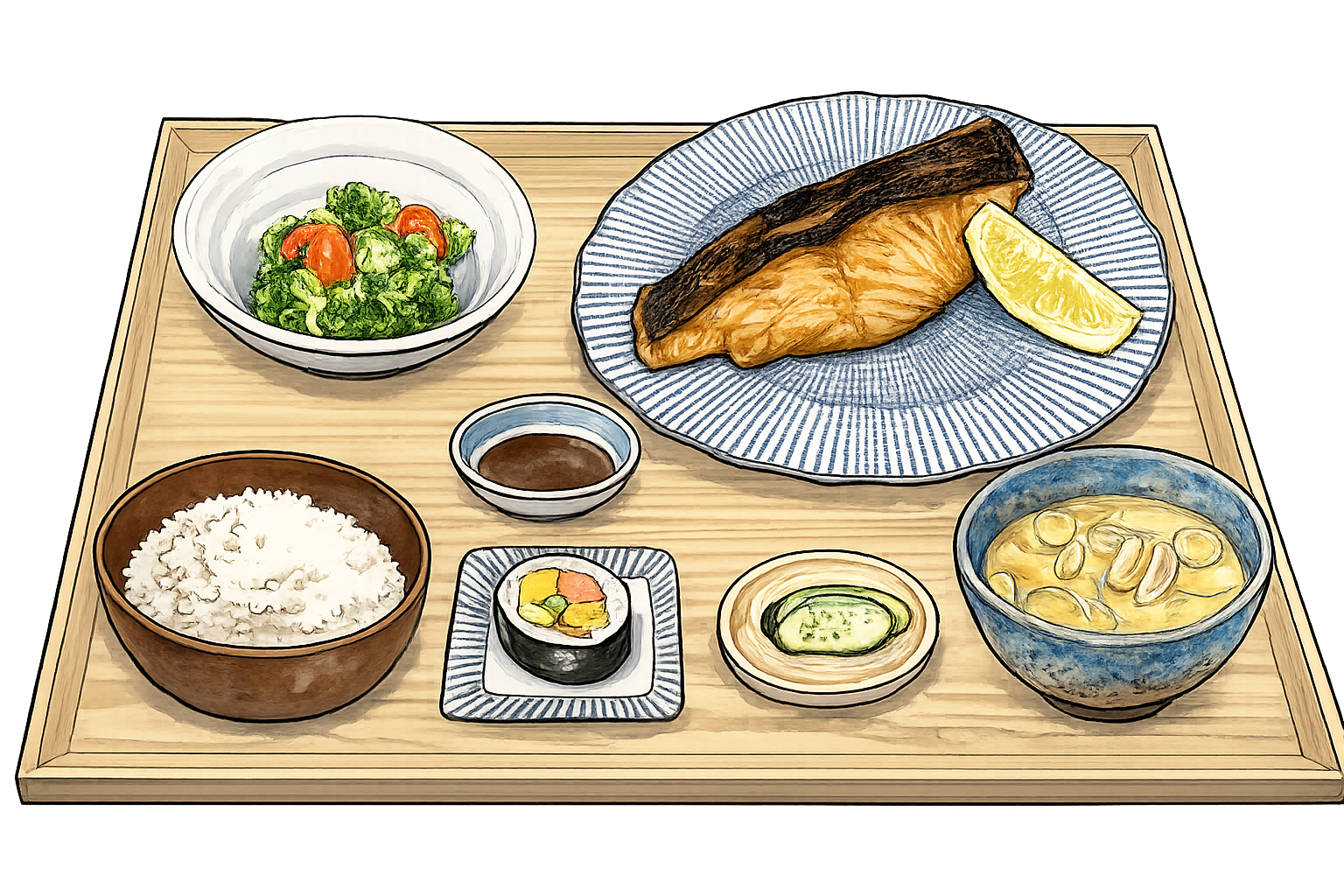
Every Teishoku follows the same basic structure, even as the specific dishes change:
The main dish — the star, and usually what the set is named after
Rice — almost always steamed white rice
Soup — typically miso, though clear broths appear too
Sides — small dishes meant to round out the flavor and nutrition, not overwhelm it
This structure connects to an older idea in Japanese cooking about eating several small, balanced dishes rather than one large one, explored further in Why a Balanced Meal Is an Important Part of Japanese Food Culture.
Teishoku vs Bento
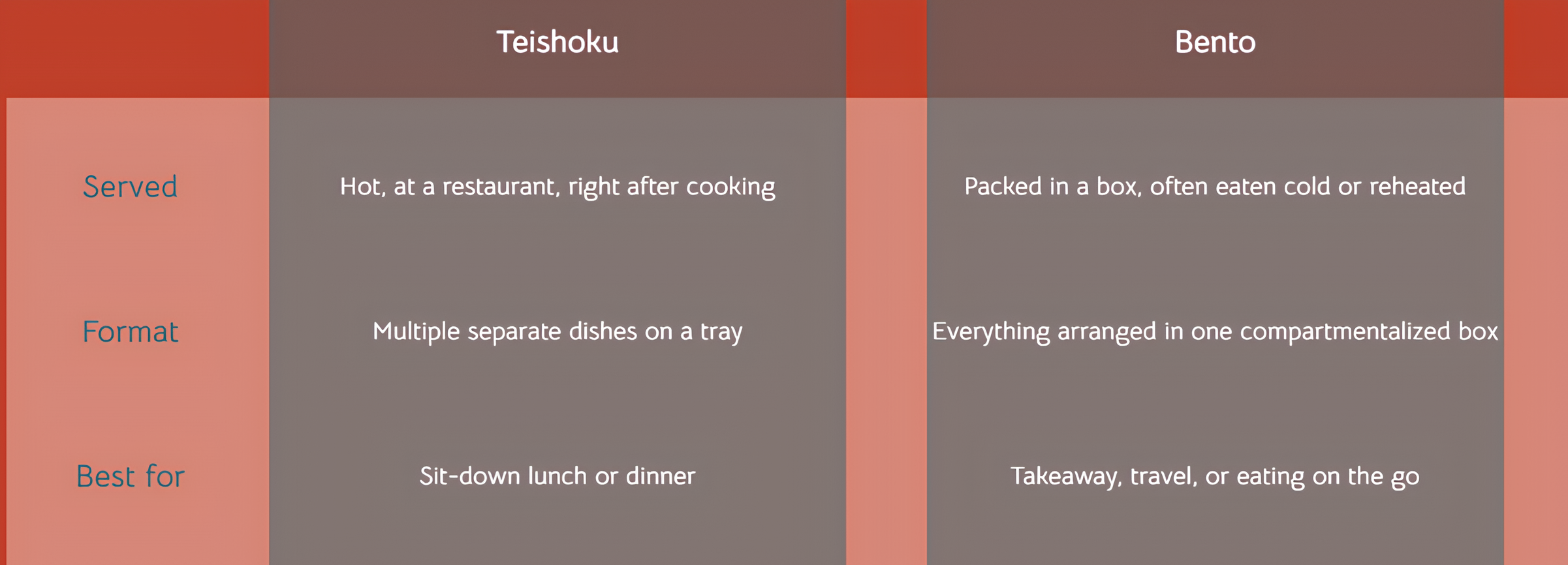
In short: A bento is built for portability, while a Teishoku is meant to be eaten fresh, right after it's prepared, part of why it's such a popular choice for a proper sit-down Japanese lunch. Explore about Kōkulabo Lunch Set Menu.
Where to Try a Real Teishoku-Style Lunch Set in Bangkok
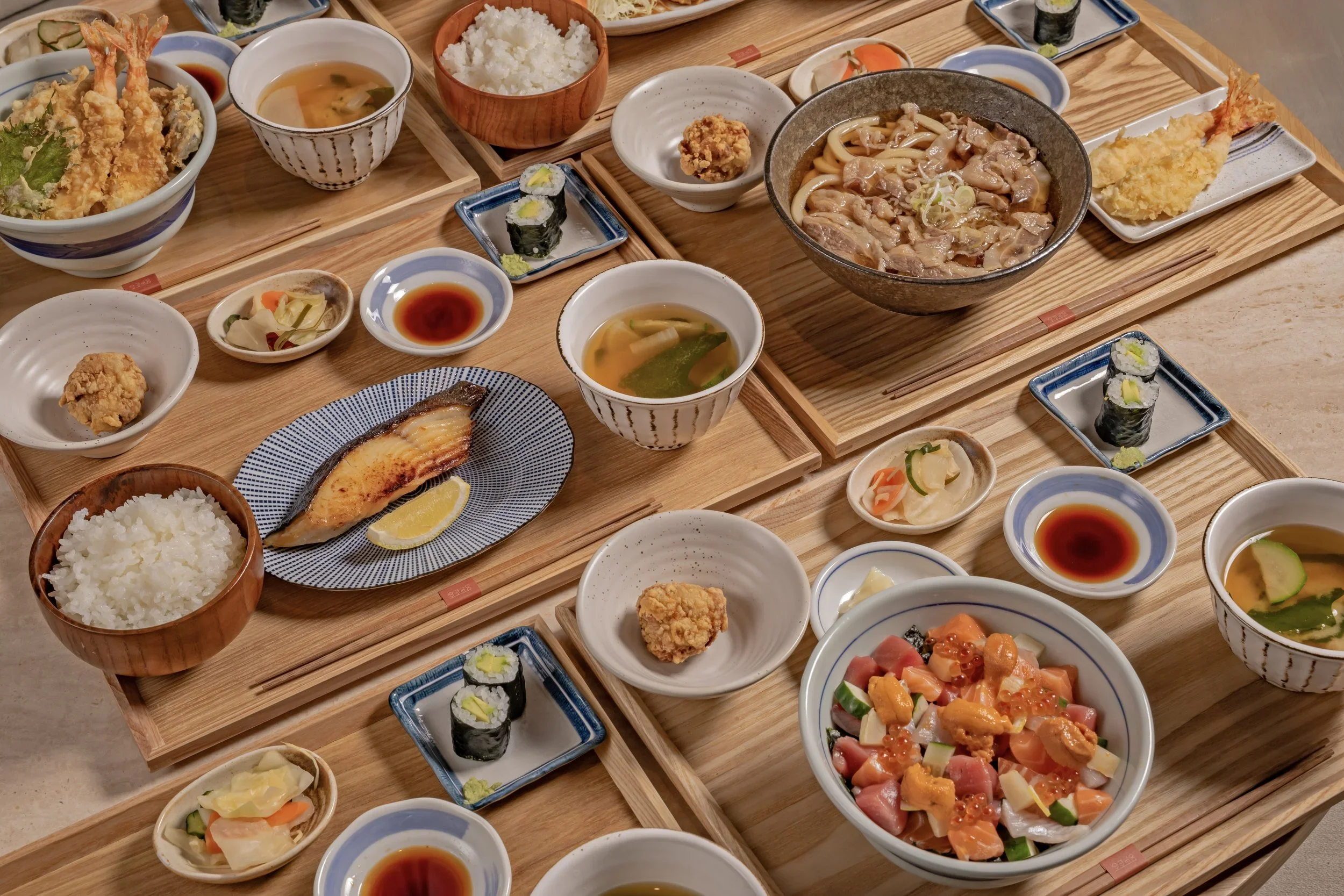
More modern Japanese restaurants and sushi houses are now blending the two worlds, offering Teishoku-style lunch sets alongside sushi and other à la carte dishes. Diners searching for a proper Japanese lunch set or a reliable spot for Japanese lunch in Bangkok are usually looking for the same things people look for in Japan: something wholesome, well-portioned, and made with care.
If you're near the Siam area and looking for a Japanese restaurant near Siam, Kōkulabo — a modern Japanese restaurant and sushi house in Bangkok, located at Siam Patumwan House, brings that same lunch set philosophy to the table, alongside fresh sushi and seasonal small plates.
Ready to plan your visit? Take a look at our Lunch Sets Menu for every Tuesday to Sunday 11AM - 3:30PM, browse the Sushi Menu for fresh rolls and raw, or explore the full Dinner Menu for an evening at Kōkulabo Bangkok Japanese Restaurant.