What Makes Japanese Lunch Sets So Popular?
If you've ever walked past a Japanese restaurant around lunchtime and seen tables filled with neat trays of rice, soup, and a few carefully arranged sides, you've seen a Japanese lunch set in action. Built around the idea of Teishoku, these sets have become one of Japan's most loved lunchtime traditions, and one of the most searched-for meals by diners outside Japan too.
So why are Japanese lunch sets so famous? It comes down to three things: balance, value, and ritual. At Kōkulabo, a Japanese restaurant and sushi house in Bangkok, our dining room and seating arrangements reflect that same philosophy. Whether you'd like a romantic booth for just the two of you, a quick late-night meal at our open kitchen counter, or want to celebrate with friends in our private dining room — it's worth understanding what makes a proper lunch set before your next visit.
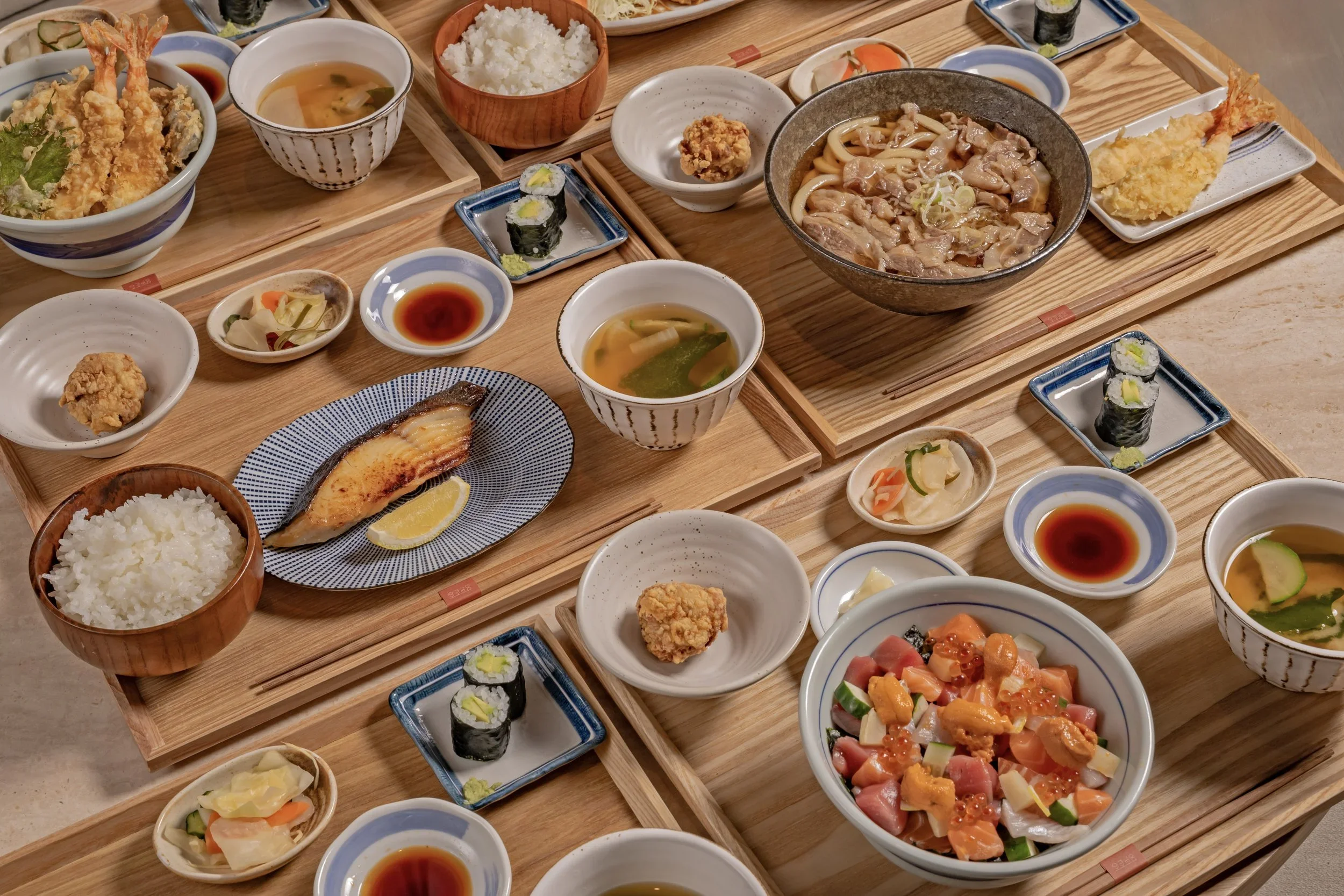
A Meal Designed Around Balance
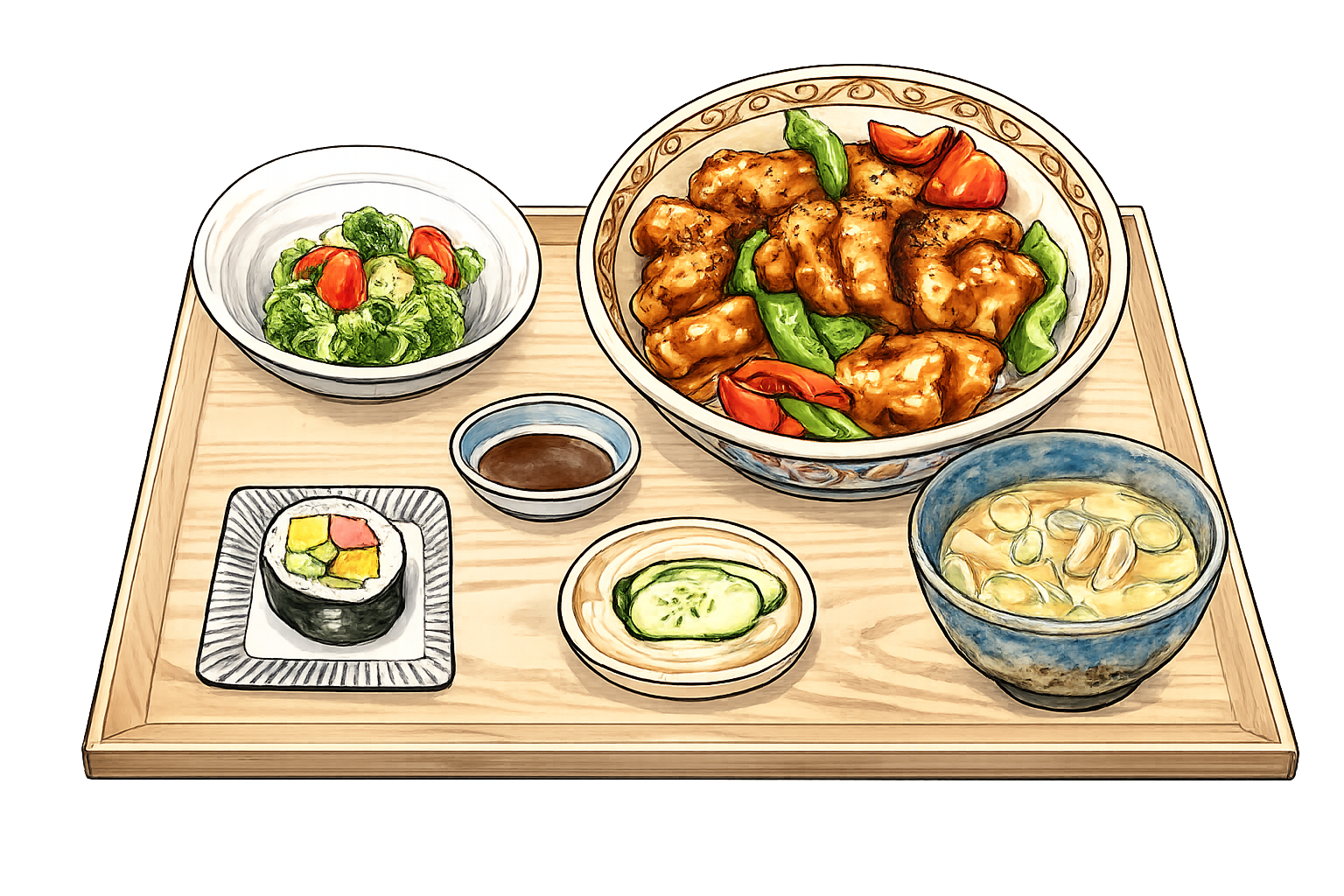
Unlike a single-dish lunch, a Japanese lunch set gives you a little of everything: protein, rice, vegetables, and soup, in one sitting. This isn't variety for its own sake; it reflects an older Japanese food philosophy about eating in a way that's satisfying without being heavy.
We go deeper into this in why a balanced meal is such an important part of Japanese food culture, including Ichiju Sansai (one soup, three dishes) which still shapes how lunch sets are put together today.
Consistency and Value
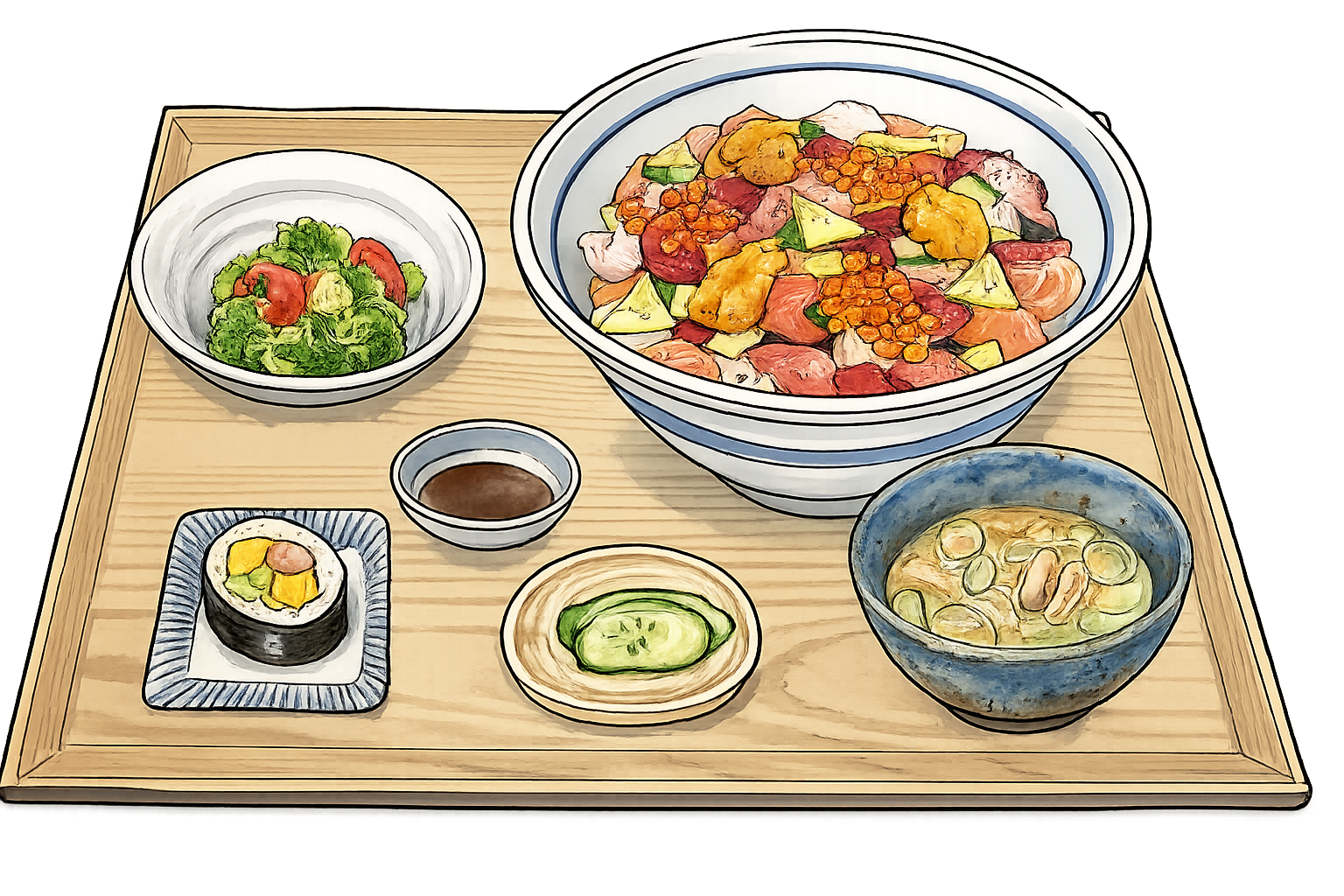
Part of the appeal is knowing roughly what you're getting before you sit down: a main dish, rice, soup, and a couple of small sides, priced lower than ordering the same dishes individually at dinner. That predictability and everyday value is part of why lunch sets remain a practical, reliable way to eat well.
If you're curious what actually goes into a traditional set, and how it differs from a bento box, we break it down fully in What Is a Japanese Lunch Set (Teishoku)?
Why It Resonates Outside Japan Too
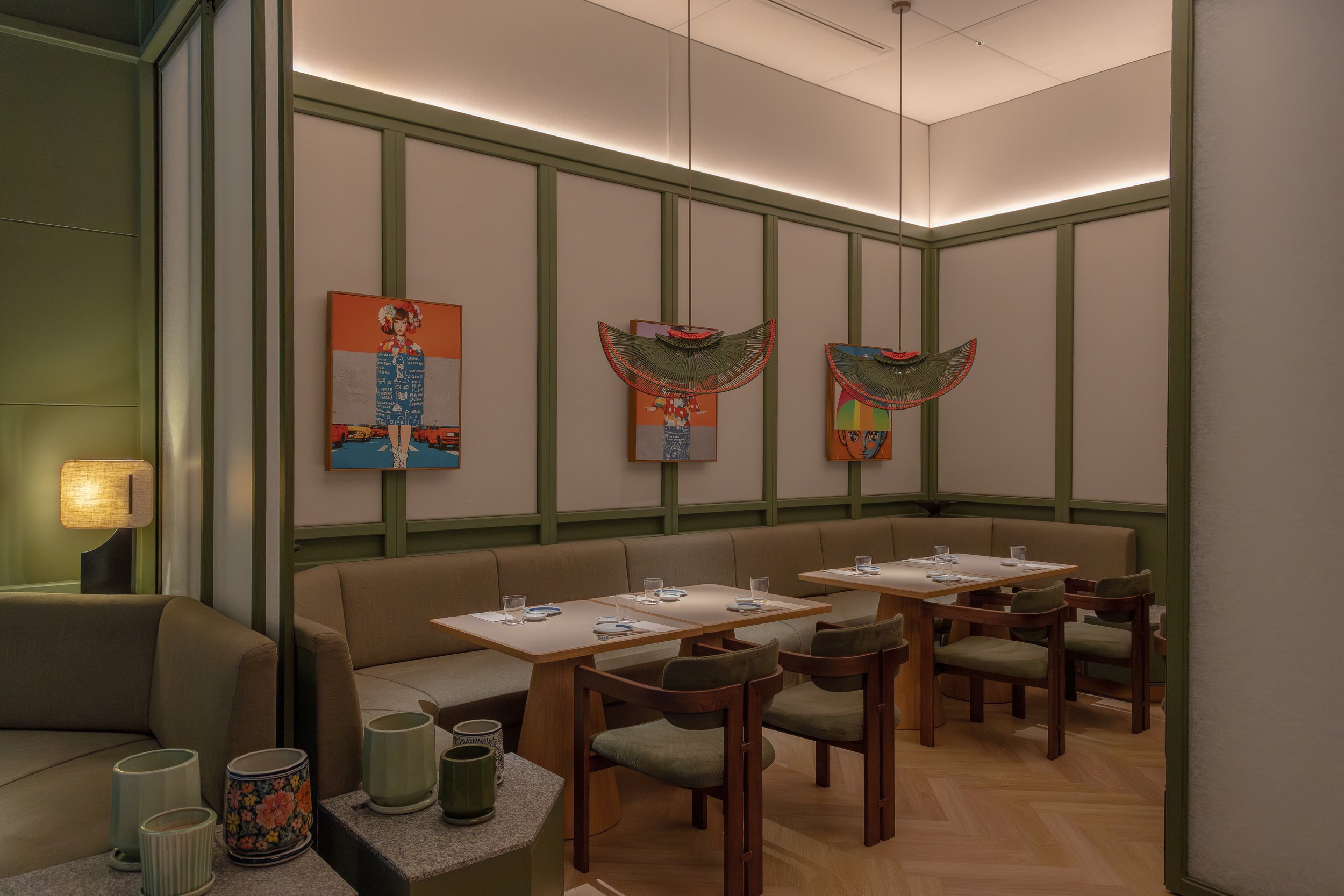
Diners searching for a proper Japanese lunch set or a reliable spot for Japanese lunch in Bangkok are usually looking for the same things people look for in Japan: something wholesome, well-portioned, and made with care.
If you're near the Siam area and looking for a Japanese restaurant near Siam, Kōkulabo — a modern Japanese restaurant and sushi house in Bangkok, located at Siam Patumwan House, brings that same lunch set philosophy to the table, alongside fresh sushi and seasonal small plates.
Ready to plan your visit? Take a look at our Lunch Sets Menu for every Tuesday to Sunday 11AM - 3:30PM, browse the Sushi Menu for fresh rolls and raw, or explore the full Dinner Menu for an evening at Kōkulabo Bangkok Japanese Restaurant.