Why a Balanced Meal Is an Important Part of Japanese Food Culture?
Look at almost any traditional Japanese meal, from a home-cooked dinner to a restaurant lunch set, and you'll notice it's rarely just one big dish. Instead, you'll find rice, soup, and a handful of side dishes, each modest in size but different in flavor and texture. This isn't a coincidence. It's a deliberate, centuries-old approach called Ichiju Sansai.

What Is Ichiju Sansai?
Ichiju Sansai (一汁三菜) translates to "one soup, three dishes." It's the traditional framework behind most Japanese meals:
Rice — the base of the meal
One soup — usually miso soup
Three dishes — one main protein, plus two smaller sides (vegetables, pickles, or simmered items)
The idea isn't to fill the plate with one large portion, but to bring together several small, distinct dishes that complement each other, a principle you'll also recognize in the structure of a Japanese lunch set (Teishoku).
Balance Isn't Just About Nutrition
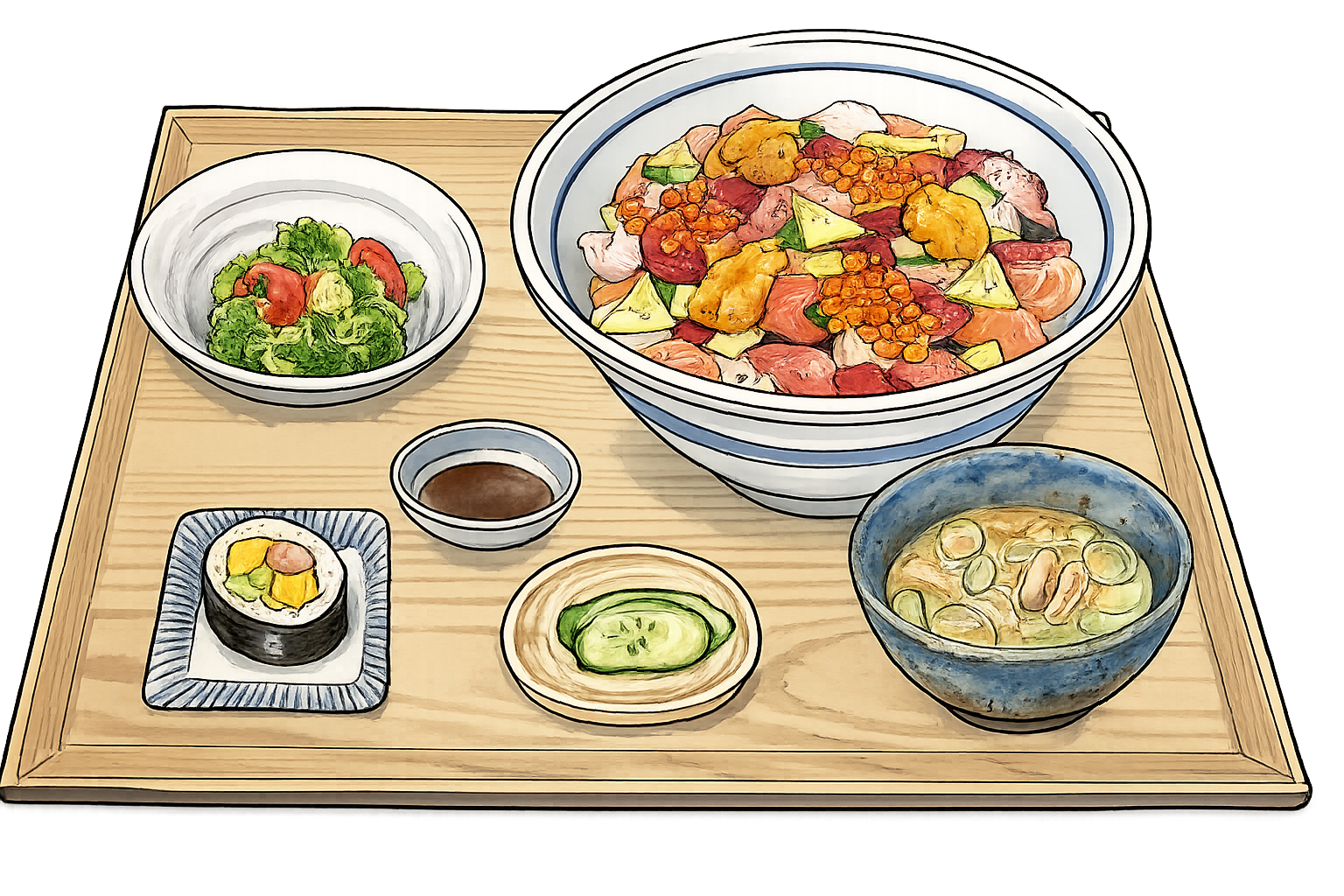
While Ichiju Sansai naturally results in a nutritionally balanced meal: protein, carbohydrates, vegetables, and fermented foods like miso, the philosophy goes further, paying attention to:
Colour — a natural mix across the plate
Flavour — sweet, salty, sour, bitter, and umami balanced across dishes, not piled into one
Cooking method — raw, grilled, simmered, and steamed dishes combined rather than repeated
Texture — soft, crunchy, and chewy elements mixed intentionally
This is part of why Japanese meals tend to feel satisfying without feeling heavy, variety in every bite, rather than a large amount of one thing.
Why This Still Matters Today
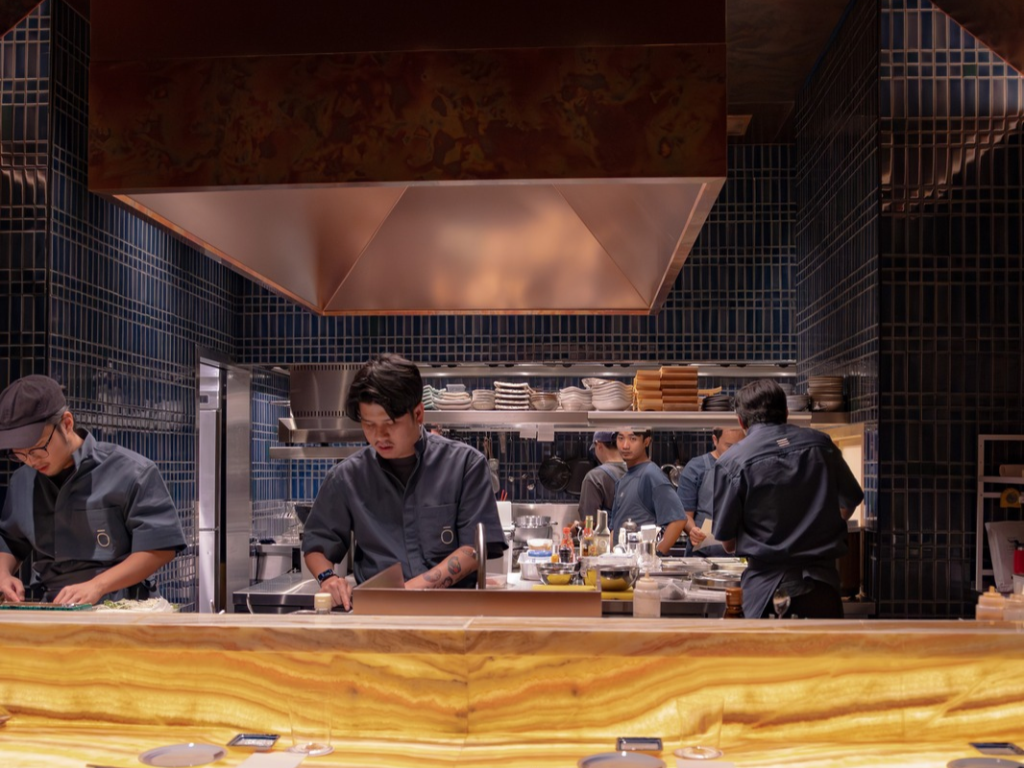
This approach isn't just a historical curiosity. It's still how Japanese food culture treats everyday meals, including modern Japanese lunch sets. Whether you're eating at home in Japan or at a Japanese restaurant abroad, that same instinct toward balance and thoughtfully prepared small dishes tends to carry through.
Diners searching for a proper Japanese lunch set or a reliable spot for Japanese lunch in Bangkok are usually looking for the same things people look for in Japan: something wholesome, well-portioned, and made with care.
If you're near the Siam area and looking for a Japanese restaurant near Siam, Kōkulabo — a modern Japanese restaurant and sushi house in Bangkok, located at Siam Patumwan House, brings that same lunch set philosophy to the table, alongside fresh sushi and seasonal small plates.
Ready to plan your visit? Take a look at our Lunch Sets Menu for every Tuesday to Sunday 11AM - 3:30PM, browse the Sushi Menu for fresh rolls and raw, or explore the full Dinner Menu for an evening at Kōkulabo Bangkok Japanese Restaurant.